
 Контакт
 Как се пазарува?
Доставка
Наръчник за пазаруване
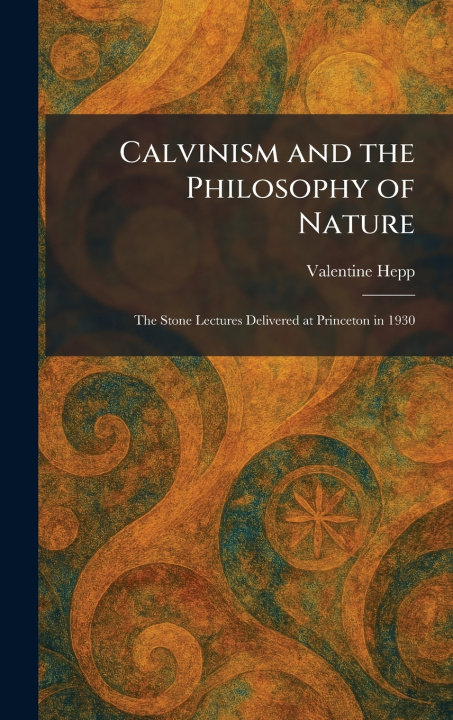
Calvinism and the Philosophy of Nature
The Stone Lectures Delivered at Princeton in 1930
 Английски език
 79 b
79 b
 Нови
Нови
30 дни за връщане на стоката

"Calvinism and the Philosophy of Nature" is a scholarly investigation into the intellectual synthesis of Reformed theological principles and the study of the physical world. Based on the Stone Lectures delivered at Princeton, this work examines how the Calvinist worldview provides a comprehensive metaphysical foundation for understanding the laws of nature and the structure of the cosmos. The author argues that a truly coherent philosophy of nature must be rooted in the recognition of divine sovereignty and the creative power of God, bridging the gap between theological conviction and empirical observation.
The text addresses complex themes such as the origins of matter, the relationship between faith and empirical science, and the historical development of natural philosophy within the Christian tradition. By navigating the challenges posed by scientific advancements of the era, the work seeks to demonstrate that the Reformed tradition offers a robust framework for interpreting the natural sciences without compromising scriptural authority. This work serves as an essential resource for those interested in the historical dialogue between religion and science, providing a deep dive into the philosophical implications of a God-centered view of the universe. "Calvinism and the Philosophy of Nature" stands as a significant contribution to early 20th-century theological and philosophical literature, emphasizing the enduring relevance of creation theology.
This work has been selected by scholars as being culturally important, and is part of the knowledge base of civilization as we know it. This work was reproduced from the original artifact, and remains as true to the original work as possible. Therefore, you may see the original copyright references, library stamps (as most of these works have been housed in our most important libraries around the world), and other notations in the work.
This work is in the public domain in the United States of America, and possibly other nations. Within the United States, you may freely copy and distribute this work, as no entity (individual or corporate) has a copyright on the body of the work.
As a reproduction of a historical artifact, this work may contain missing or blurred pages, poor pictures, errant marks, etc. Scholars believe, and we concur, that this work is important enough to be preserved, reproduced, and made generally available to the public. We appreciate your support of the preservation process, and thank you for being an important part of keeping this knowledge alive and relevant.


Информация за книгата
Английски език
