
 Контакт
 Как се пазарува?
Доставка
Наръчник за пазаруване
Citizen Portrait
 Английски език
 150 b
150 b
30 дни за връщане на стоката
Клиентите са закупили също















 /
/
 С меки корици
 17.13
€
33.51 лв
17.13
€
33.51 лв


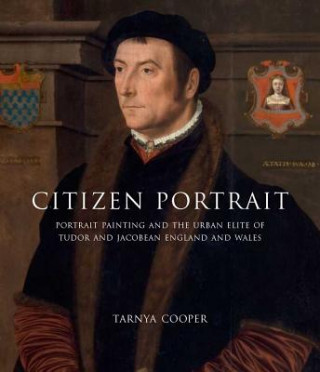
For much of early modern history, the opportunity to be immortalized in a portrait was explicitly tied to social class: only landed elites and royalty had the money and power to commission such an endeavour. But in the second half of the 16th century, access began to widen to the urban middle class, including merchants, lawyers, physicians, clergy, writers, and musicians. As more accessible portraiture proliferated in English cities and towns, the middle class gained social visibility - not just for themselves as individuals, but often for their entire class or industry. In "Citizen Portrait", Tarnya Cooper examines the patronage and production of portraits in Tudor and Jacobean England, focusing on the motivations of those who chose to be painted and the impact of the resulting images. Highlighting the opposing, yet common, themes of piety and self-promotion, Cooper has revealed a fresh area of interest for scholars of early modern British art.


Информация за книгата
Английски език

Подарете тази книга днес
Лесно е
1 Добавете книгата в количката си и изберете Доставка като подарък 2 В замяна ще ви изпратим ваучер 3 Книгата ще пристигне на адреса на получателяМоже би ще Ви заинтересува

 /
С твърди корици
217.04
€
424.48 лв
/
С твърди корици
217.04
€
424.48 лв









 /
С меки корици
12.16
€
23.79 лв
/
С меки корици
12.16
€
23.79 лв
 /
С меки корици
217.04
€
424.48 лв
/
С меки корици
217.04
€
424.48 лв
 /
С твърди корици
129.02
€
252.34 лв
/
С твърди корици
129.02
€
252.34 лв
 /
С меки корици
58.19
€
113.81 лв
/
С меки корици
58.19
€
113.81 лв

 /
С меки корици
119.75
€
234.21 лв
/
С меки корици
119.75
€
234.21 лв


 /
С меки корици
108.67
€
212.54 лв
/
С меки корици
108.67
€
212.54 лв



Здравейте! Аз съм Libroamiko, вашият книжен съветник.
Как мога да ви помогна?