
 Контакт
 Как се пазарува?
Доставка
Наръчник за пазаруване
Claude Gillot
 Френски език
 151 b
151 b
До 30 дни за връщане на стоки
Клиентите са закупили също

 /
/
 С меки корици
 17.44
€
34.12 лв
17.44
€
34.12 лв


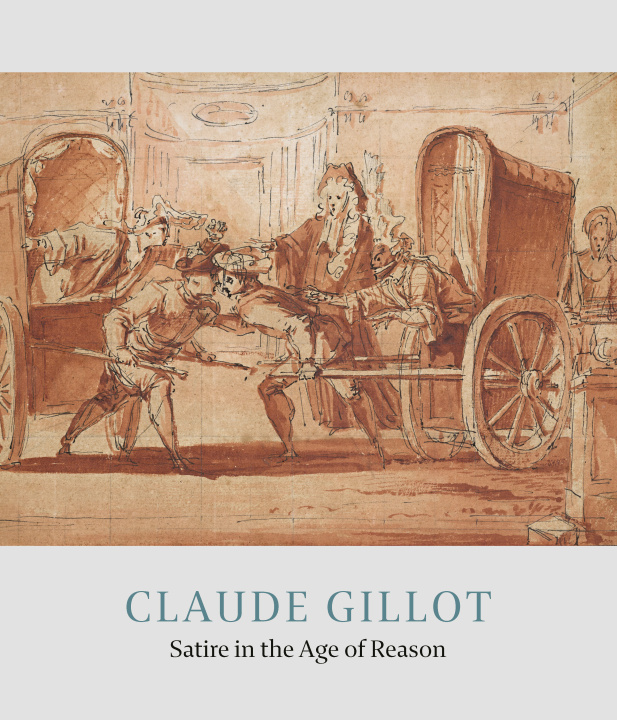
This scholarly publication presents the work of the designer, painter and illustratorClaude Gillot (1673–1722). The first volume on the artist in English, it accompaniesa major exhibition at the Morgan Library & Museum that explores Gillot’s inventiveand highly original draftsmanship and places his work in the context of artistic andintellectual activity in Paris ca. 1700.The history of eighteenth-century French art under the ancien régime is dominated bygreat names. But the artistic scene in Paris at the dawn of the century was diverse andincluded artists who forged careers largely outside of the Royal Academy. Among themwas Claude Gillot. Known primarily as a draftsman, Gillot specialized in witty scenestaken from the Italian commedia dell’arte plays performed at fairground theaters andvignettes of satyrs enacting rituals that expose human folly. The book will address Gillot’swork as a designer, painter, and book illustrator, and advance a chronology for his career.Crafting a timeline for Gillot’s life and work will clarify his relationship with his youngercollaborators Antoine Watteau and Nicolas Lancret.Through an artistic biography and six chapters, each devoted to an aspect of hisoeuvre, Gillot’s role in developing quintessential rococo subjects is established. We followGillot from his start as the son of a decorative painter in the bishopric of Langres to hisarrival in Paris in the 1690s, as the city and its secular entertainments flourished apartfrom the royal court at Versailles. Myriad opportunities awaited artists outside officialchannels, and Gillot built his career working in the theater and as a painter and designerlong before seeking official academic status. His involvement with writers, playwrights,and printmakers helped define his sphere. Gillot’s preference for theatrical subjectsbrought him critical attention, and also attracted talented assistants such as Watteauand Lancret. Gillot came to prominence around 1712 working at the Paris Opéra and asa printmaker and illustrator of books, lending his droll humor to satires. By 1720, Gillotwas enlisted to design costumes for the last royal ballet, one of the final projects of hiscareer. He died nine months after his most celebrated pupil, Watteau. The sale of hisestate, which including his designs and many etched copper plates, provided material forprintmakers and publishers and ensured Gillot’s lasting fame among print connoisseurs.His oeuvre as a draftsman and painter, however, was largely forgotten until drawings andcanvases began to emerge in the first half of the twentieth century.


Информация за книгата
Френски език

Подарете тази книга днес
Лесно е
1 Добавете книгата в количката си и изберете Доставка като подарък 2 В замяна ще ви изпратим ваучер 3 Книгата ще пристигне на адреса на получателяЗдравейте! Аз съм Libroamiko, вашият книжен съветник.
Как мога да ви помогна?