
 Контакт
 Как се пазарува?
Доставка
Наръчник за пазаруване
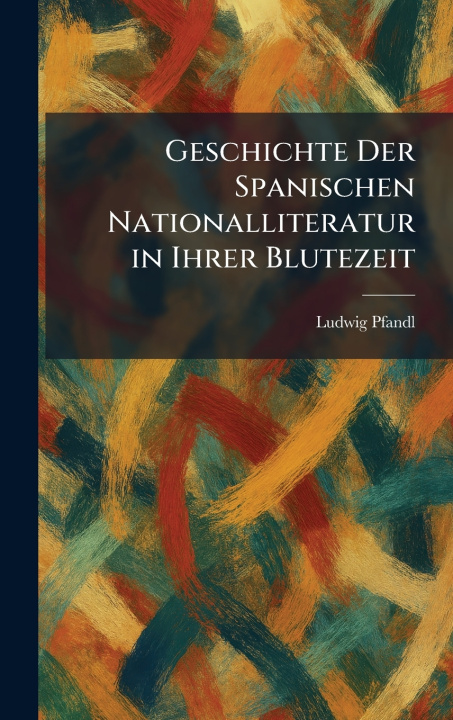
Geschichte Der Spanischen Nationalliteratur in Ihrer Blutezeit
 Немски език
 99 b
99 b
30 дни за връщане на стоката
Клиентите са закупили също


 /
/
 С твърди корици
 37.81
€
73.95 лв
37.81
€
73.95 лв






"Geschichte Der Spanischen Nationalliteratur in Ihrer Blutezeit" von Ludwig Pfandl ist ein fundamentales Standardwerk der Romanistik, das die glanzvollste Epoche der spanischen Geistesgeschichte beleuchtet. Das Werk widmet sich der detaillierten Analyse des Siglo de Oro, jener Ãra, in der Spanien durch Autoren wie Cervantes, Lope de Vega und Calderón de la Barca die europäische Kulturlandschaft maÃgeblich prägte.
Pfandl verbindet in seiner Darstellung literaturgeschichtliche Präzision mit einer tiefgreifenden kulturellen Einordnung. Die Untersuchung erstreckt sich über die verschiedenen Gattungen - von der Lyrik der Renaissance bis zum komplexen Drama des Barock - und untersucht die religiösen, sozialen und politischen Strömungen, die diese Blütezeit ermöglichten. Dieses Buch bietet sowohl Fachgelehrten als auch interessierten Laien einen tiefen Einblick in die Entwicklung der spanischen Identität durch ihre Literatur. Es bleibt eine unverzichtbare Quelle für das Verständnis der klassischen spanischen Literatur und ihrer bleibenden Bedeutung für die Weltliteratur.
This work has been selected by scholars as being culturally important, and is part of the knowledge base of civilization as we know it. This work was reproduced from the original artifact, and remains as true to the original work as possible. Therefore, you may see the original copyright references, library stamps (as most of these works have been housed in our most important libraries around the world), and other notations in the work.
This work is in the public domain in the United States of America, and possibly other nations. Within the United States, you may freely copy and distribute this work, as no entity (individual or corporate) has a copyright on the body of the work.
As a reproduction of a historical artifact, this work may contain missing or blurred pages, poor pictures, errant marks, etc. Scholars believe, and we concur, that this work is important enough to be preserved, reproduced, and made generally available to the public. We appreciate your support of the preservation process, and thank you for being an important part of keeping this knowledge alive and relevant.


Информация за книгата
Немски език

Подарете тази книга днес
Лесно е
1 Добавете книгата в количката си и изберете Доставка като подарък 2 В замяна ще ви изпратим ваучер 3 Книгата ще пристигне на адреса на получателяМоже би ще Ви заинтересува




 /
С меки корици
57.52
€
112.50 лв
/
С меки корици
57.52
€
112.50 лв