
 Контакт
 Как се пазарува?

Доставка
Наръчник за пазаруване
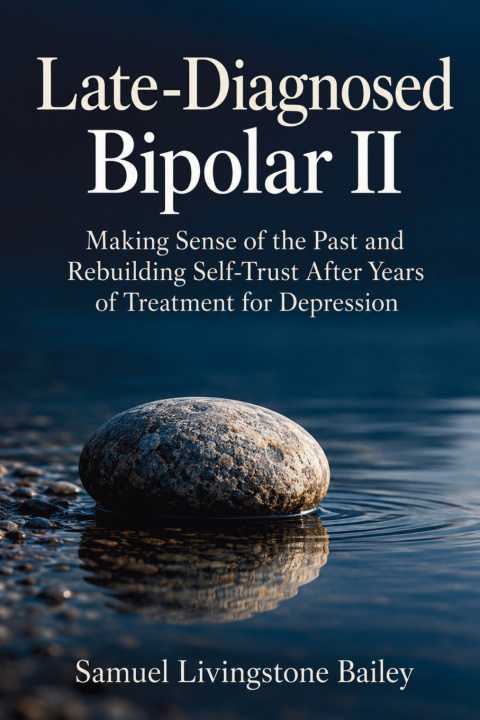
Late-Diagnosed Bipolar II
Making Sense of the Past and Rebuilding Self-Trust After Years of Treatment for Depression
 Английски език
 37 b
 Нови
До 30 дни за връщане на стоки

When the diagnosis changes
After years of treatment for depression, a bipolar II diagnosis can raise questions that a new label does not answer. How should you understand earlier decisions, explain the change to people close to you, or trust a good day without examining every feeling?
Understand the change and decide what comes next
Late-Diagnosed Bipolar II helps you examine what changed in the assessment, prepare questions for your care team, and distinguish what is known from what remains uncertain. It addresses grief about lost opportunities and anger about earlier care, while offering practical ways to approach disclosure, relationship repair, and everyday responsibilities.
The chapters also cover sleep and daily routines, mood observations, work and money concerns, and planning for early warning signs. You can begin with an immediate need, such as preparing for an appointment, and return to reflection when you have more capacity.
A careful way to revisit your history
The book introduces a working account: a revisable understanding of your past that brings together observations, records, clinical assessment, and the circumstances of your life. This approach leaves room for uncertainty and helps you avoid treating every memory as evidence of illness.
Reflection prompts, suggested conversation wording, and nine reusable forms help you organize information and identify a manageable next step. Exercises are optional and adaptable. The guidance supports informed conversations with professionals and does not replace diagnosis or treatment.
For readers adjusting to a revised diagnosis
This book is for readers who have been re-diagnosed after years of depression treatment, are adjusting to a diagnosis in adulthood, need language for difficult conversations, or want to rebuild confidence in everyday decisions. It also makes room for questions about a diagnosis that is still being discussed with a clinician.
Begin with the question that matters now
You do not need a complete explanation of the past before preparing for your next care conversation or making a practical plan. With plain-language discussion and space for reflection, this guide offers a structured place to make sense of a changed diagnosis and decide how to move forward.


Информация за книгата
Английски език

Подарете тази книга днес
Лесно е
1 Добавете книгата в количката си и изберете Доставка като подарък 2 В замяна ще ви изпратим ваучер 3 Книгата ще пристигне на адреса на получателяЗдравейте! Аз съм Libroamiko, вашият книжен съветник.
Как мога да ви помогна?