
 Контакт
 Как се пазарува?
Доставка
Наръчник за пазаруване
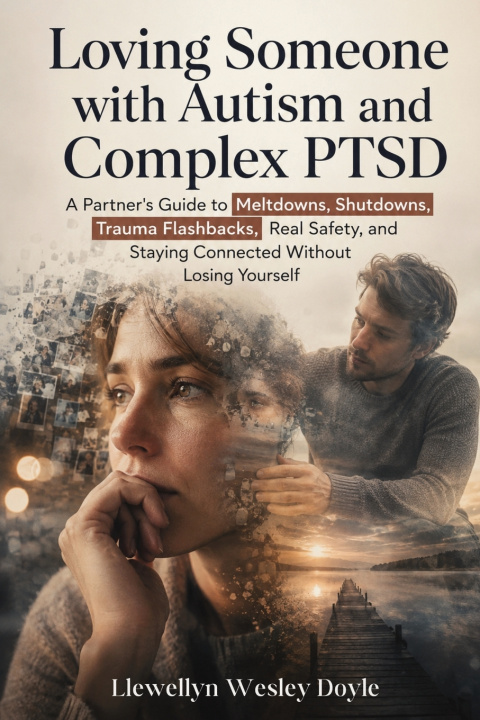
Loving Someone with Autism and Complex PTSD
A Partner's Guide to Meltdowns, Shutdowns, Trauma Flashbacks, Real Safety, and Staying Connected Without Losing Yourself
 Английски език
 40 b
40 b
 Подготвяме
 Нови
Нови
До 30 дни за връщане на стоки

When You Cannot Tell What the Moment Needs
Your partner goes silent in the middle of a difficult conversation. Do they need less sensory input, more time to process, help returning to the present, or simply space without questions? When autism and complex trauma meet in the same relationship, an autistic meltdown, shutdown, trauma flashback, or mixed state can look confusing from the outside, and a well-meant response can sometimes add more pressure.
A Practical Guide for the Moments That Matter Most
Loving Someone with Autism and Complex PTSD helps partners make calmer, more informed choices during dysregulation without expecting them to diagnose what is happening. You will learn how to notice patterns that may point toward sensory overload, autistic shutdown, trauma activation, or a mixed and uncertain state; how to reduce demands when capacity is low; how to use grounding carefully; and how to return to unresolved relationship issues when both people are able to think, speak, and participate again.
The book also addresses the part that partner guides can overlook: your wellbeing. It explains how to support an autistic partner with trauma symptoms without becoming their therapist, crisis manager, or full-time regulator. It offers practical ways to set boundaries, respond to hurtful behaviour, repair after difficult episodes, reduce household load, and make communication more workable for both partners.
The Moment Map
At the centre of the book is the Moment Map, a response-selection framework built around four working states: meltdown, shutdown, trauma flashback, and mixed or unclear dysregulation. Each state has its own practical protocol, while the mixed-state protocol gives you a lower-risk starting point when you genuinely cannot tell what is happening. The aim is not perfect classification. It is choosing a safer, more useful next response.
Who This Book Is For
This book is for readers who love an autistic adult with Complex PTSD, PTSD, or strong trauma symptoms; spouses dealing with late autism or trauma diagnosis; partners in neurodiverse relationships who struggle with shutdowns, meltdowns, sensory overload, or flashbacks; family members who want a clearer partner-facing guide; and therapists looking for a structured resource that couples can use between sessions.
Love does not require guessing correctly every time, and compassion does not require giving up your own limits. If you want a practical guide to recognising dysregulation, responding with greater care, repairing after difficult moments, and protecting your own mental health, this book offers a structured place to begin.


Информация за книгата
Английски език
