
 Контакт
 Как се пазарува?
Доставка
Наръчник за пазаруване
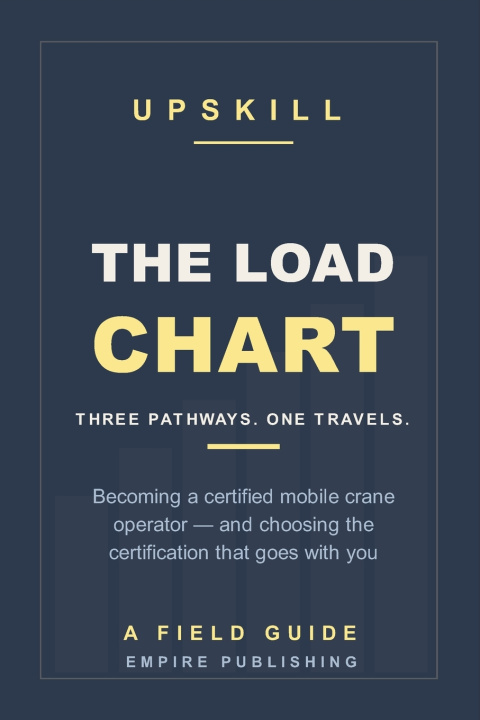
The Load Chart
Becoming a Certified Mobile Crane Operator - the Three Federal Pathways, the Rigger Ladder, and Which One Actually Travels With You (A Field Guide)
 Английски език
 44 b
44 b
 Подготвяме
 Нови
Нови
До 30 дни за връщане на стоки

Three legal pathways to the seat.
Only some of them travel with you.
Almost everything written about crane certification names one organisation and stops there. The federal rule does not work that way. It permits three separate pathways to a qualified operator - government licensing, an accredited testing organisation, or an audited employer program - and they are not equivalent. One of them stops working the day you change employer.
Sorting that out is the whole point of this book, because it is the decision that costs people the most money and the most time. Which pathway you choose determines whether your certification is portable, how long it lasts, and who will hire you with it.
The rule itself is stable in a way that is rare: it took effect in 2018 and 2019, has not been amended since, and has no pending changes. It also writes a five-year recertification cycle into federal law - a career with a recurring requirement rather than a one-off ticket.
It is written for a construction labourer, ironworker or heavy-equipment operator who wants the seat and is lost between the acronyms. It covers the rigger and signalperson ladder that usually comes first, the load-chart competence the exams are really testing, and how contractor segments differ in pay, travel and season.
The shelf here is institutional training curriculum and practice tests. Nothing tells you which certification to buy first, which segment to target, or what the life is actually like. Pay figures are named to their source and treated cautiously, because much of what circulates online is training-provider marketing. An Australian appendix covers the separate local high-risk work licensing.
The chart does not care how strong you are. It cares whether you can read it.


Информация за книгата
Английски език
